
Following the grueling multi-stage Tour de Ski, the focus shifted from cumulative endurance to targeted World Cup events, where recovery, form management, and specialization became critical factors.
Tour de Ski Aftermath: Fatigue Meets Opportunity
The Tour de Ski is widely regarded as the most demanding segment of the World Cup calendar, testing athletes across sprints, distance races, and iconic mountain climbs. As the tour concluded, many of the overall leaders emerged physically drained but competitively advantaged, having accumulated valuable points and confidence.
In contrast, several specialists who either skipped parts of the Tour de Ski or exited early returned to competition refreshed. This dynamic created a more open competitive landscape in the immediate post-tour events, particularly in sprint disciplines and single-day distance races.
Men’s Competition: Tactical Reset
In the men’s field, the post–Tour de Ski period often favors athletes with strong sprint finishes and efficient recovery profiles. With overall standings tightened by the tour’s point distribution, consistency became paramount. Skiers who managed workload effectively during the Tour de Ski were able to maintain form, while others were forced into strategic race selections to avoid burnout.
Classic technique races saw renewed intensity, as athletes adjusted pacing to compensate for lingering fatigue. Free technique events, meanwhile, rewarded those with explosive power and superior glide, often producing surprise podiums and reshuffling top-10 rankings.
Women’s Field: Depth on Display
The women’s World Cup continued to demonstrate exceptional depth after the Tour de Ski. Several athletes carried momentum forward with composed performances, while others used the break to recalibrate. Sprint races became particularly competitive, with qualification margins razor-thin and heats decided by tactical positioning rather than outright speed.
Distance events highlighted endurance management, as athletes balanced aggressive early pacing with the need to protect energy reserves. The result was a series of closely contested races that underscored how evenly matched the top tier of the women’s field had become.
Standings and Strategic Implications
Post–Tour de Ski results often serve as a turning point in the overall World Cup race. Athletes near the top focused on defending their positions through consistent top-10 finishes, while those further back targeted specific events to maximize point gains. Nations also adjusted team strategies, rotating athletes to maintain peak performance heading into the latter half of the season.
This phase additionally played a role in shaping preparation for upcoming championship events, with coaches closely monitoring recovery metrics and race load.
The Road Ahead
As the FIS Cross-Country World Cup 2026 moved beyond the Tour de Ski, the emphasis shifted toward sustainability and precision. With multiple venues and race formats still ahead, athletes faced the challenge of maintaining sharpness while managing cumulative fatigue from an already intense season.
The post–Tour de Ski segment reinforced a familiar reality in cross-country skiing: success is not defined by one tour alone, but by the ability to adapt, recover, and perform consistently across an unforgiving winter calendar. With momentum redistributed and standings tightened, the World Cup season entered a phase where every race carried heightened significance.
If you want, I can add named athletes, convert this into a short news brief, or write a follow-up article on the next World Cup stop.
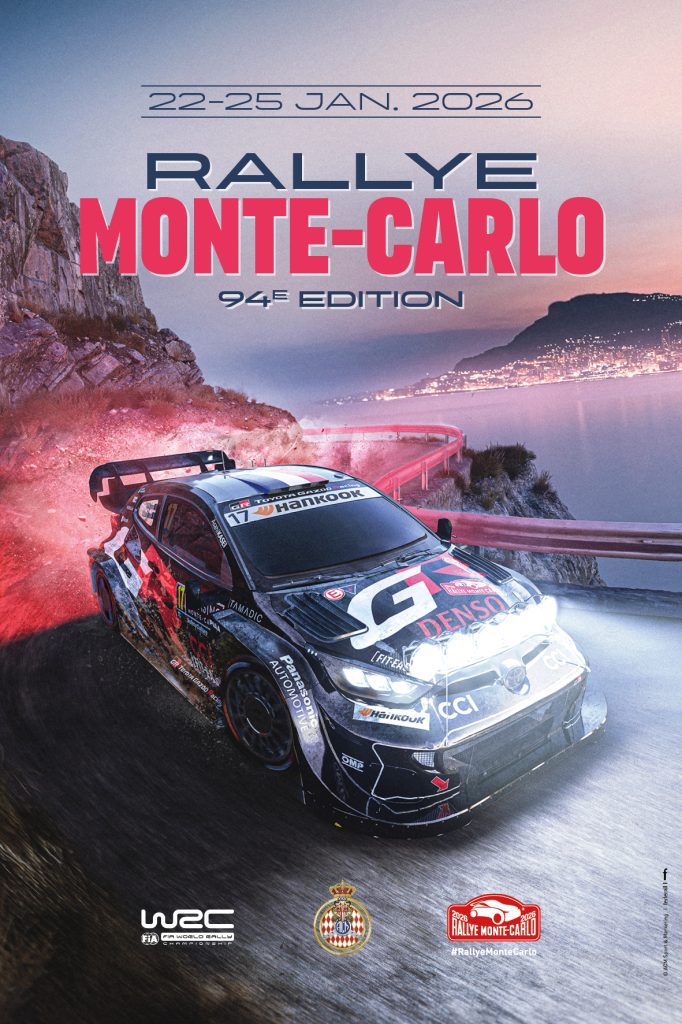
World Rally Championship – Rallye Monte-Carlo 23 jan 2026 b


4
Rallye Monte-Carlo 2026: January 23 Delivers High Drama on the Season’s Toughest Stage
The World Rally Championship burst into life on Friday, January 23, 2026, as the legendary Rallye Monte-Carlo moved into its most decisive phase. Known for its unpredictable mix of dry asphalt, ice, snow, and rapidly changing grip levels, Monte-Carlo once again lived up to its reputation as the ultimate test of skill, strategy, and nerve.
Conditions Dictate the Narrative
As crews tackled stages across the French Alps, weather became the defining storyline of the day. Early morning frost gave way to partially dry tarmac, while shaded mountain sections remained icy. Tire choice proved critical, with teams forced to gamble between slicks, winter tires, or mixed compounds — often within the same stage.
Even the smallest miscalculation carried heavy consequences. Several drivers lost time through cautious pacing, while others paid the price for overconfidence on deceptively slippery sections.
Tight Margins at the Front
At the sharp end of the leaderboard, the battle for overall lead tightened significantly on January 23. Leading contenders traded fastest stage times throughout the day, with gaps measured in seconds rather than minutes. Precision driving, clean lines, and disciplined pace notes made the difference as crews pushed closer to the limit.
The rally’s iconic night stages added an extra layer of difficulty. Reduced visibility, combined with falling temperatures, forced drivers to rely heavily on experience and co-driver communication. Minor errors — a missed braking point or a cautious corner entry — quickly translated into lost seconds.
Mixed Fortunes for Rally Favorites
Several pre-event favorites faced contrasting fortunes. While some navigated the day cleanly and consolidated strong overall positions, others encountered trouble ranging from off-road moments to mechanical concerns. Monte-Carlo’s unforgiving nature ensured that no position felt secure, and teams remained wary of late surprises.
Midfield competitors also seized opportunities, capitalizing on mistakes ahead to climb the order. The constantly shifting conditions rewarded adaptability over outright speed, allowing disciplined drivers to outperform more aggressive rivals.
Strategy and Tire Management in Focus
Beyond raw pace, January 23 highlighted the strategic complexity that defines Rallye Monte-Carlo. Tire management dominated team discussions throughout the day, with crews balancing grip against durability over long liaison sections and multiple stage loops.
Service crews worked under pressure, making rapid setup changes to account for evolving conditions. Suspension adjustments and differential settings were fine-tuned to handle the unpredictable surface mix, emphasizing the importance of teamwork in rally success.
Championship Implications
As the opening round of the WRC 2026 season, Rallye Monte-Carlo carried added significance. Strong performances on January 23 positioned early contenders to claim valuable championship points, while setbacks threatened to derail title hopes before the season had truly begun.
The psychological impact was equally important. Confidence gained — or lost — on Monte-Carlo often shapes momentum for the early part of the campaign, making every stage result crucial.
Looking Ahead
With key stages still to come, the rally remained wide open at the end of Friday’s action. Forecasts suggested continued variable conditions, ensuring that the battle would remain unpredictable through the weekend.
January 23 reinforced why Rallye Monte-Carlo remains one of motorsport’s most revered events. It is not simply about speed, but about judgment, restraint, and the ability to thrive in chaos. As the WRC season opener unfolded, the stage was set for a dramatic conclusion — one worthy of rallying’s most iconic challenge.